Food as Medicine
Mushrooms for Midlife
December 30, 2025
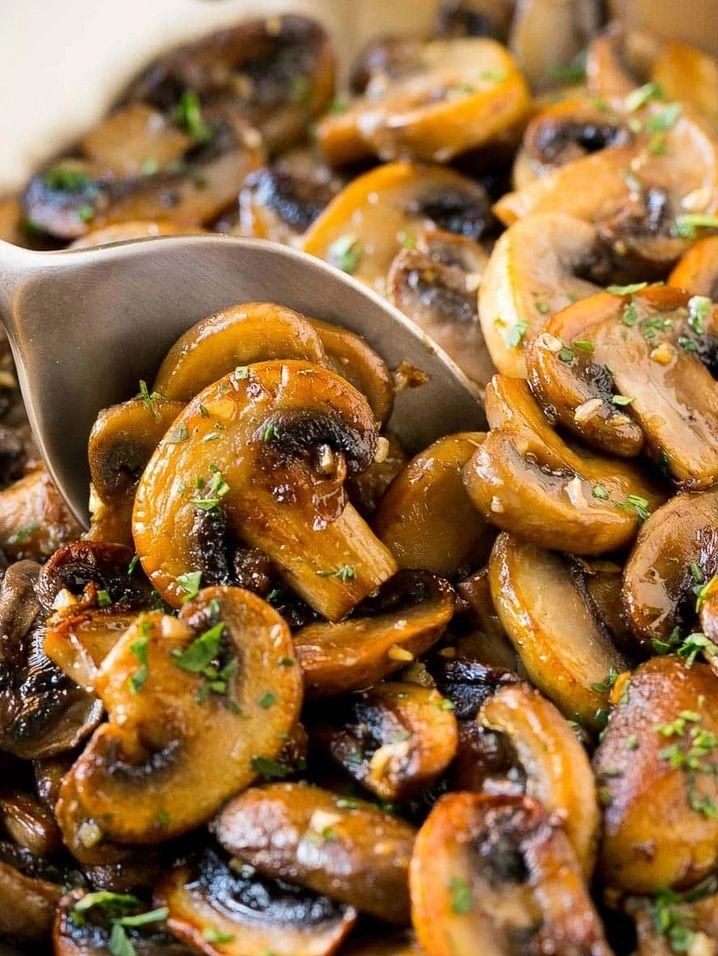
When hormones shift, stress feels louder, sleep gets lighter, and metabolism changes the rules—these six functional mushrooms can be a grounded, food-first way to support immunity, mood, brain clarity, and metabolic resilience through perimenopause and beyond. Here's my food-first mushroom support 411 for your balanced longevity era.
Why mushrooms, why now?
Mushrooms are one of those rare foods that sit at the intersection of culinary + functional: rich in fiber, B vitamins, minerals, and unique bioactives like beta-glucans that interact with immune and metabolic pathways. PubMed
And this matters in midlife because the menopause transition is associated with shifts in cardiometabolic risk factors (lipids, insulin resistance, blood pressure), even when lifestyle hasn't changed dramatically. AHA Journals+1
So if 2026 is your “I'm not doing extremes, I'm doing sustainable” era… mushrooms belong in your weekly rotation.
The Haus of V “Beyond the Button” : Which Mushrooms to choose + why it helps
1) Chaga (Inonotus obliquus) — Immune resilience + oxidative stress support
Why it's in the lineup: Chaga is heavily researched for its antioxidant and immune-modulating potential, largely attributed to its polysaccharides and other compounds. PMC+1
Midlife lens: When stress and sleep disruption climb, your immune system often feels it first. Chaga is a “supportive” mushroom—not a magic wand—best thought of as part of a resilience stack (sleep, protein, fiber, daily movement).
How to use: Tea/extract blends. Choose brands that publish heavy metals testing (more on that below).
2) Oyster (Pleurotus ostreatus) — Metabolic + heart support (food-first hero)
Why it's in the lineup: Human data suggests oyster mushroom intake may help improve cardiometabolic markers (glucose/lipids/BP), though study quality varies. PubMed+1
Midlife lens: If you're navigating the “my body is responding differently now” phase, oyster mushrooms are an easy swap: more volume, more fiber, more satisfaction—without feeling like a diet.
How to use: Sauté into tacos, bowls, “calamari-style,” or crisp in the air fryer.
3) Shiitake (Lentinula edodes) — Immune tone + inflammation support
Why it's in the lineup: A randomized dietary intervention found that daily shiitake intake improved markers of immune function and reduced an inflammation marker (CRP) in healthy adults. PubMed+1
Midlife lens: Perimenopause can feel like “everything is inflamed.” Shiitake is a simple weekly habit that supports the basics—immune balance, gut support, and nourishment.
How to use: Add to soups, broths, stir-fries. Dried shiitakes are budget-friendly and intensely flavorful.
4) Maitake (Grifola frondosa) — Stress adaptation + immune support
Why it's in the lineup: Maitake extracts (and maitake + shiitake combinations) have shown immune-supportive effects in research settings, including beta-glucan–related immune activity. PMC+1
Midlife lens: Think of maitake as part of the “adaptation” conversation—supporting the body's ability to respond to stress, not eliminate it (because… life).
How to use: Roast with olive oil and sea salt; add to eggs or warm salads.
5) Reishi (Ganoderma lucidum) — Nervous system support + rest mode
Why it's in the lineup: Reishi has a long traditional history and modern research interest for immune/metabolic support, with emerging evidence exploring fatigue and sleep-related outcomes. NCBI+2PMC+2
Midlife lens: When sleep gets disrupted in perimenopause, everything feels harder—cravings, mood, focus. Reishi is often used as a gentle “wind-down” mushroom (tea/tincture) alongside sleep fundamentals.
How to use: Evening tea or extract. Start low and go slow.
6) Lion's Mane (Hericium erinaceus) — Brain clarity + mood support (the perimenopause favorite)
Why it's in the lineup: A small randomized, placebo-controlled trial in women found that 4 weeks of lion's mane cookies improved measures related to menopause-associated complaints, including mood-related symptoms. PubMed+1
Midlife lens: If you're dealing with “brain fog,” irritability, or that fragile-feeling stress threshold—lion's mane is one of the most practical mushrooms to explore.
How to use: Powder in smoothies/oats, capsules, or cook fresh (it's delicious sautéed).
Quality matters (because mushrooms absorb what they grow in)
Mushrooms can bioaccumulate compounds from their environment, so sourcing and testing are a big deal. Frontiers+1
Haus of V Quality Checklist:
- Prefer for third-party testing (heavy metals, microbes, adulterants)
- Prefer fruiting body for many mushroom supplements (unless specifically using mycelium-based products like AHCC)
- Clear labeling: species name, part used, extraction ratio
- For vitamin D benefits: choose UV-exposed mushrooms, since UV increases vitamin D2 content. PMC+1
The simplest way to start (no overwhelm)
Pick one “food mushroom” + one “functional mushroom” for 30 days:
- For vitamin D benefits: choose take (3–5x/week)
- Functional mushroom: lion's mane (AM) or reishi (PM)
Small. Consistent. Notice what changes.
Quick safety note (always)
This blog is for educational purposes and isn't medical advice. If you're pregnant, breastfeeding, immunocompromised, have an autoimmune condition, or take medications (especially immunosuppressants, anticoagulants, or cancer therapies), talk with a licensed clinician before starting mushroom extracts or AHCC. Memorial Sloan Kettering Cancer Center+1
References (selected)
- Shiitake daily immune study (2015): PubMed
- Lion's mane in women, menopause-related outcomes (2010): PubMed+1
- Oyster mushrooms and cardiometabolic outcomes (2007 trial + 2020 review): PubMed+1
- Chaga review (I. obliquus): PMC+1
- Maitake + shiitake immune-enhancing effects: PMC
- Reishi overview and emerging research: NCBI+2PMC+2
- Menopause transition & cardiometabolic risk: AHA Journals+1
- UV exposure increases vitamin D2 in mushrooms: PMC+1
- AHCC overview (MSKCC + review): Memorial Sloan Kettering Cancer Center+1
Written by
Founder, Haus of V
Certified health coach working with women through midlife, hormone health, and longevity. This is educational content, not medical advice.
Keep reading
Get the letter
Twice-monthly essays on hormones, longevity, and food as medicine.