Recipes · Nutrition
Traditional Greek Spanakopita: A Little Love in Every Layer
Fresh herbs, flaky phyllo, and a nourishing Greek recipe that's just as enjoyable to make as it is to eat.
October 27, 2026
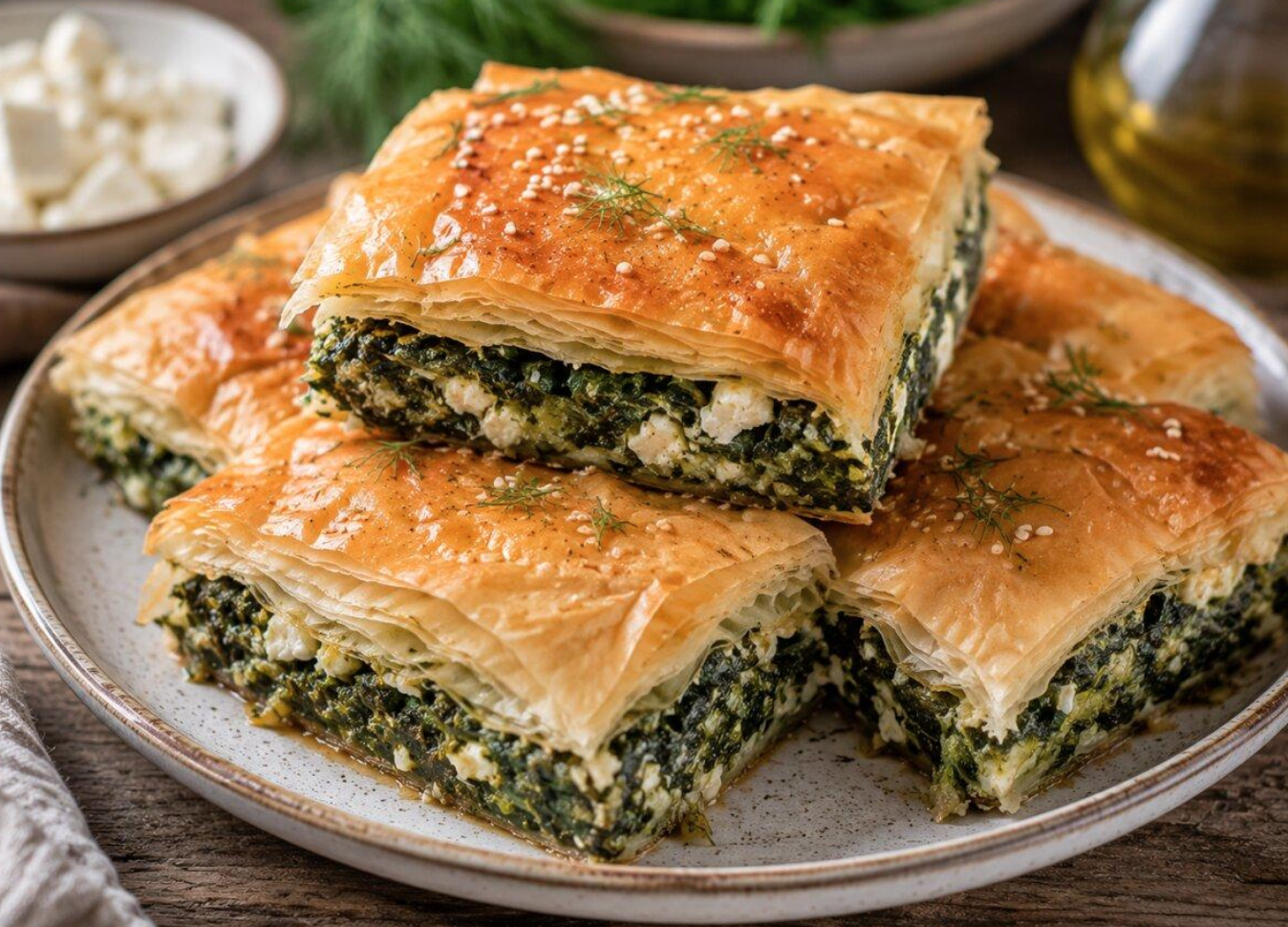
There are some recipes that are about so much more than the food itself.
I recently made traditional Greek spanakopita with a friend, and it reminded me just how much joy there is in preparing something from scratch. Chopping fresh herbs, mixing the filling, carefully layering the phyllo, sharing stories, and enjoying the process together.
But here's what I also love about making spanakopita: it's equally enjoyable, and surprisingly relaxing, to make on your own.
There's something almost meditative about working with phyllo dough. You slow down, brush each delicate sheet with olive oil, and build something delicious one layer at a time.
Growing up Greek, recipes like spanakopita have always represented more than just a meal. They're about tradition, connection, and the beauty of fresh, uncomplicated ingredients.
And from a nutritional perspective, there's plenty to love.
Why Spanakopita Is More Nutritious Than You Might Think
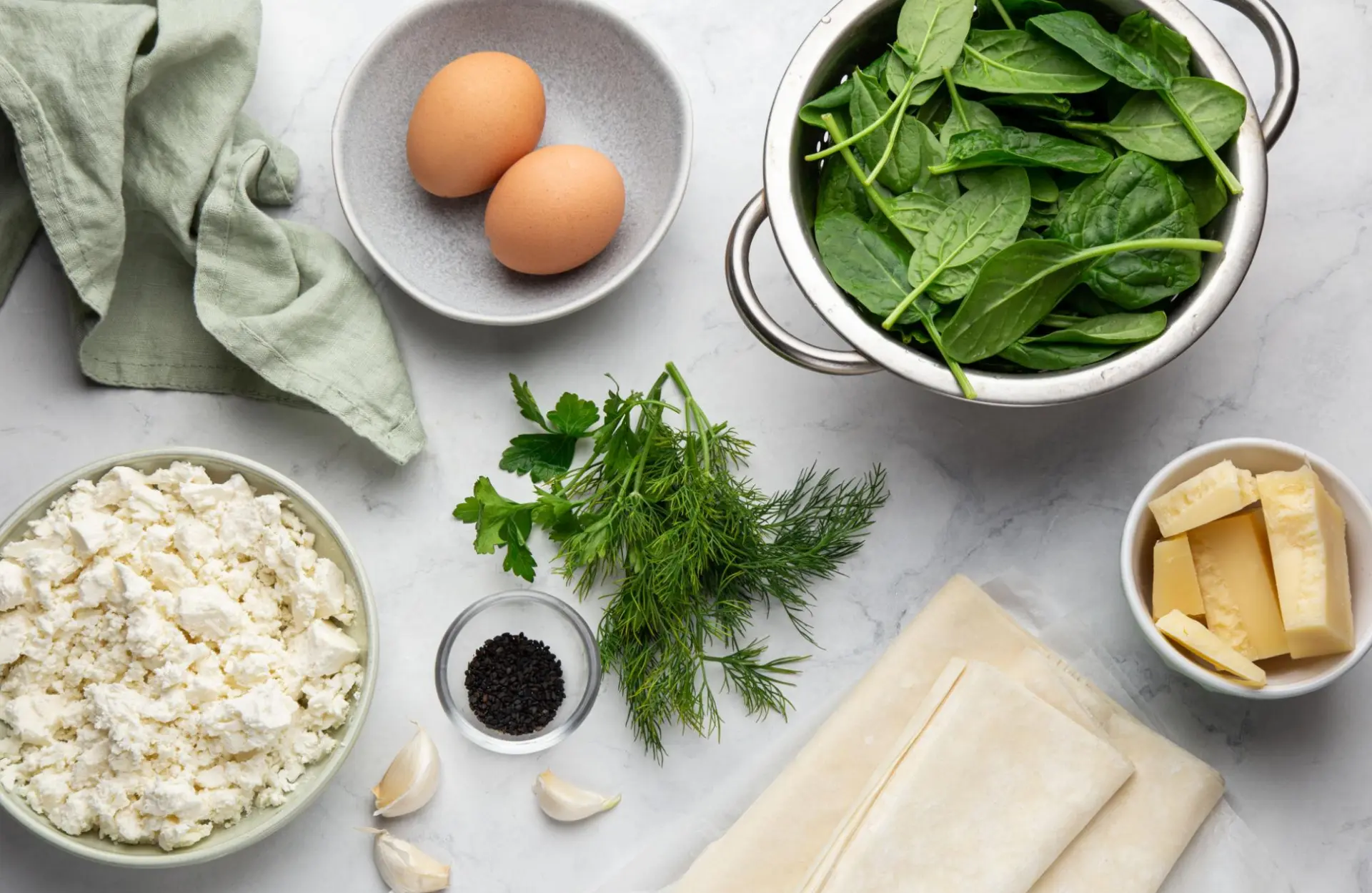
Traditional spanakopita combines leafy greens, fresh herbs, quality feta cheese, and extra virgin olive oil. It's a wonderful example of how Mediterranean cooking brings flavor and nutrition together without making things complicated.
Let's look at what's inside.
Spinach: A Nutrient-Dense Leafy Green
Spinach provides folate, vitamin K, vitamin A precursors, iron, and other essential nutrients. Vitamin K plays an important role in normal blood clotting and bone health, while folate supports healthy cell function.
Spinach also contains carotenoids, including lutein and zeaxanthin, which are associated with eye health.
Fresh Dill: Small Herb, Big Flavor
Dill is one of my favorite ingredients in spanakopita. Its delicate, fragrant flavor is essential to the dish.
Like many fresh herbs, dill contains naturally occurring plant compounds with antioxidant activity. Although we generally eat herbs in relatively small quantities, they're a wonderful way to add flavor and variety to our diets.
Parsley: More Than a Garnish
Fresh parsley contributes vitamin K, vitamin C, and plant compounds such as flavonoids. It also brings brightness to the filling and complements the richness of the feta.
Fresh Mint: A Refreshing Addition
Some Greek households add fresh mint to their spanakopita, and I love the freshness it brings.
Mint contains aromatic plant compounds and small amounts of vitamins and minerals. It adds a beautiful dimension of flavor without needing extra salt.
Green Onions: Flavor and Plant Diversity
Green onions provide vitamin K and naturally occurring plant compounds, including flavonoids. They also add a gentle sweetness to the spinach mixture.
Feta: Protein, Calcium, and Tradition
A good Greek feta adds richness, tang, protein, and calcium. Calcium supports bone health, making feta a useful addition to a varied diet.
Because feta can be salty, I prefer to taste the filling before adding much additional salt.
Extra Virgin Olive Oil: A Mediterranean Staple
Extra virgin olive oil is rich in monounsaturated fats, particularly oleic acid, and contains beneficial plant compounds called polyphenols.
It's one of the signature ingredients of the Mediterranean dietary pattern and works beautifully in both the filling and the phyllo layers.
And yes, I have a little secret for making that phyllo especially delicious.
My Secret: Olive Oil + Grass-Fed Butter
Traditionally, Greek families prepare their phyllo with olive oil, butter, or a combination of the two.
My personal favorite is a mixture of extra virgin olive oil and a little melted grass-fed butter.
I combine them in a small bowl and use a pastry brush to lightly coat each sheet of phyllo.
The olive oil brings that beautiful Mediterranean flavor, while the butter adds richness and helps create a gorgeous golden finish.
It's a small detail, but I love the result.
Grass-fed butter is a personal flavor preference here rather than a nutritional necessity. You can absolutely use olive oil alone.
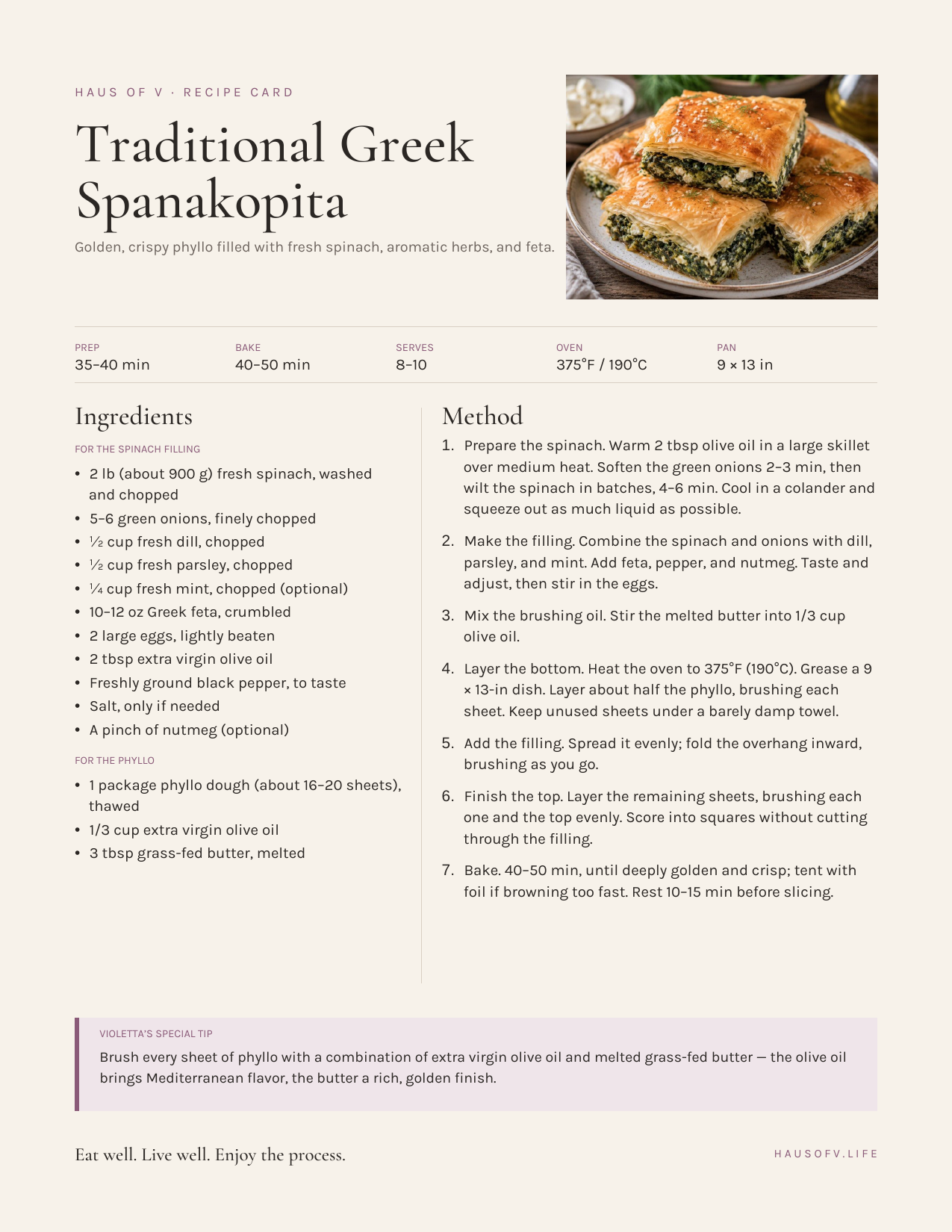
Traditional Greek Spanakopita Recipe
Golden, crispy phyllo filled with fresh spinach, aromatic herbs, and feta.
Prep time: 35–40 minutes
Bake time: 40–50 minutes
Servings: 8–10
Pan: 9 × 13 inches
Ingredients
For the spinach filling:
- 2 pounds fresh spinach (about 900 g), washed and chopped
- 5–6 green onions, finely chopped
- ½ cup fresh dill, chopped
- ½ cup fresh parsley, chopped
- ¼ cup fresh mint, chopped (optional)
- 10–12 ounces Greek feta cheese, crumbled
- 2 large eggs, lightly beaten
- 2 tablespoons extra virgin olive oil
- Freshly ground black pepper, to taste
- Salt, only if needed
- A pinch of nutmeg (optional)
For the phyllo:
- 1 package phyllo dough (approximately 16–20 sheets), thawed according to package instructions
- ⅓ cup extra virgin olive oil
- 3 tablespoons grass-fed butter, melted
Step-by-Step Instructions
Step 1: Prepare the spinach
Heat 2 tablespoons of olive oil in a large skillet over medium heat.
Add the chopped green onions and cook for 2–3 minutes until softened.
Add the spinach in batches, allowing it to wilt. Cook until tender, approximately 4–6 minutes.
Transfer the mixture to a colander and allow it to cool. Gently squeeze out as much excess liquid as possible.
This is an important step! Too much moisture can make your phyllo soggy.
Step 2: Make the filling
In a large bowl, combine the cooled, well-drained spinach and green onions with the fresh dill, parsley, and mint, if using.
Add the crumbled feta, black pepper, and optional nutmeg.
Taste the mixture before adding the eggs, and adjust the seasoning if necessary.
Finally, stir in the lightly beaten eggs until everything is evenly combined.
Step 3: Prepare my olive oil and butter mixture
Melt the grass-fed butter and combine it with ⅓ cup of extra virgin olive oil.
Stir gently.
This is what you'll use to brush your phyllo layers.
Step 4: Begin layering the phyllo
Preheat your oven to 375°F (190°C).
Lightly grease a 9 × 13-inch baking dish with your olive oil and butter mixture.
Place your first sheet of phyllo in the dish, allowing any excess to hang over the edges.
Brush lightly with the mixture.
Continue layering approximately half the phyllo sheets, brushing each one before adding the next.
Keep the unused sheets covered with a barely damp kitchen towel so they don't dry out.
Don't worry about making every layer perfect. The little folds and imperfections are part of the charm.
Step 5: Add the filling
Spread the spinach and feta mixture evenly over the layered phyllo.
Fold any overhanging pastry inward, brushing lightly as you go.
Step 6: Finish the top layers
Place the remaining phyllo sheets over the filling, brushing each sheet with your olive oil and butter mixture.
Brush the top generously but evenly.
Using a sharp knife, gently score the top layers into squares or rectangles without cutting all the way through the filling.
Step 7: Bake until golden
Bake for approximately 40–50 minutes, or until the phyllo is deeply golden, crisp, and the filling is cooked through.
If the top begins browning too quickly, loosely cover it with foil.
Allow the spanakopita to rest for 10–15 minutes before cutting completely through.
This helps the filling settle and makes slicing easier.
A Few Tips for the Best Spanakopita
- Use fresh herbs whenever possible. They're what give spanakopita its beautiful, distinctive flavor.
- Choose good-quality Greek feta. The flavor makes a difference.
- Remove excess moisture from the spinach. This helps preserve the crispy pastry layers.
- Work gently with the phyllo. It's delicate, but a few torn sheets won't ruin your pie.
- Don't rush. Put on some music, enjoy the process, and make preparing this dish part of the experience.
Spanakopita is also wonderful the next day. Simply warm it in the oven to bring back some of that beautiful crispness.
Save the recipe
A Little Nourishment Beyond the Plate
One of the things I love most about traditional cooking is that it naturally encourages us to slow down.
Preparing food with a friend can be a beautiful way to connect, laugh, and share an experience. But cooking alone can be equally rewarding. It gives us an opportunity to be present, use our senses, and enjoy creating something with our hands.
And there's something especially satisfying about taking a handful of everyday ingredients and turning them into something so delicious.
That's really what my approach to wellness is all about.
Good food doesn't have to be complicated, expensive, or restrictive.
Sometimes it's fresh spinach, fragrant herbs, a little feta, good olive oil, and the pleasure of making something from scratch.
With love,
Violetta | Haus of V
Eat well. Live well. Enjoy the process.
Written by
Founder, Haus of V
Certified health coach working with women through midlife, hormone health, and longevity. This is educational content, not medical advice.
Keep reading
Get the letter
Twice-monthly essays on hormones, longevity, and food as medicine.